Introduction
Learning music production is an exciting journey that combines creativity, technical knowledge, and consistent practice. Whether you dream of producing chart-topping songs, composing film scores, or creating beats for independent artists, the right tutorials can help you develop the skills needed to achieve your goals. Modern technology has made music production more accessible than ever, allowing beginners to learn professional techniques from home using affordable software and equipment.
However, with thousands of online tutorials available, many beginners struggle to decide where to start. Jumping between advanced lessons without understanding the fundamentals often leads to confusion and slow progress. The best approach is to build your knowledge step by step by mastering the essential skills before moving on to more complex techniques.
This guide explores the most important music production tutorials every aspiring producer should study to build a strong foundation and improve with confidence.
Learn the Basics of Music Production
Every producer should begin by understanding the complete music production process. Before creating songs, learn how ideas move from simple melodies to finished recordings.
A beginner tutorial should explain songwriting, arranging, recording, editing, mixing, and mastering. Understanding these stages will help you see how every part of the production process works together to create professional-quality music.
Developing a strong foundation early will make advanced lessons much easier to understand later.
Master Your Digital Audio Workstation
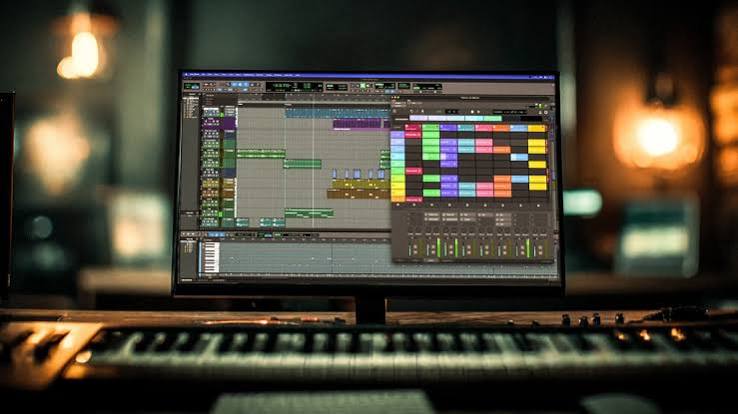
A Digital Audio Workstation, commonly called a DAW, is the most important tool in music production. Every aspiring producer should spend time learning the software before focusing on advanced techniques.
Tutorials should teach you how to navigate the workspace, create tracks, record audio, use virtual instruments, edit clips, and organize projects efficiently. Learning keyboard shortcuts and workflow techniques can also save valuable production time.
Whether you choose FL Studio, Ableton Live, Logic Pro, Cubase, Studio One, or another DAW, mastering the basics is essential for long-term success.
Understand Music Theory
Music theory helps producers create melodies, chords, basslines, and harmonies that sound natural and emotionally engaging.
Beginner tutorials should cover musical scales, chord progressions, rhythm, tempo, key signatures, and song structure. Although music theory may seem difficult at first, even basic knowledge will improve your songwriting skills significantly.
You do not need to become a professional pianist, but understanding how notes work together will help you create stronger compositions.
Learn Drum Programming
Drums provide the rhythm and energy of almost every modern song. Learning drum programming is one of the most valuable skills for new producers.
A good tutorial should explain kick drums, snares, hi-hats, percussion, fills, swing, and groove. It should also demonstrate how different genres use different drum patterns.
Practice creating simple beats before experimenting with more complex rhythms.
Create Strong Basslines
Bass plays an important role by connecting the rhythm with the harmony of a song.
Music production tutorials should explain how to create basslines that support drum patterns and chord progressions. You will also learn how different bass sounds affect the overall mood of a track.
Simple basslines often sound stronger than complicated ones, especially for beginners.
Build Effective Chord Progressions
Chord progressions create the emotional foundation of every song.
Look for tutorials that teach common chord progressions used in pop, hip-hop, electronic dance music, rock, and cinematic compositions. Understanding how chords create tension and resolution will improve your songwriting and arrangement skills.
Experiment with different progressions to discover your own musical style.
Write Memorable Melodies
A great melody is often what listeners remember most about a song.
Tutorials on melody writing should explain repetition, variation, phrasing, rhythm, and note selection. Instead of using too many notes, focus on creating simple and memorable musical ideas that fit naturally with your chords.
Practicing melody writing regularly will strengthen your creativity and musical confidence.
Learn Sound Design
Sound design allows producers to create unique instruments instead of relying only on presets.
Essential tutorials should explain oscillators, filters, envelopes, modulation, and effects inside synthesizers. Understanding these tools helps you customize sounds for different musical genres.
As your experience grows, sound design becomes one of the best ways to develop a recognizable production style.
Understand Audio Recording
Recording high-quality audio is just as important as creating great melodies.
Tutorials should explain microphone placement, recording levels, room acoustics, and how to reduce background noise. Whether you record vocals, guitars, or other instruments, clean recordings make editing and mixing much easier.
Good recording habits improve the overall quality of every project.
Learn Audio Editing
Editing allows producers to correct mistakes and improve performances.
Essential editing tutorials should cover trimming audio, fading clips, adjusting timing, correcting pitch, and organizing sessions. These skills help create polished recordings while maintaining a natural sound.
Learning efficient editing techniques will greatly improve your workflow.
Master Mixing Techniques
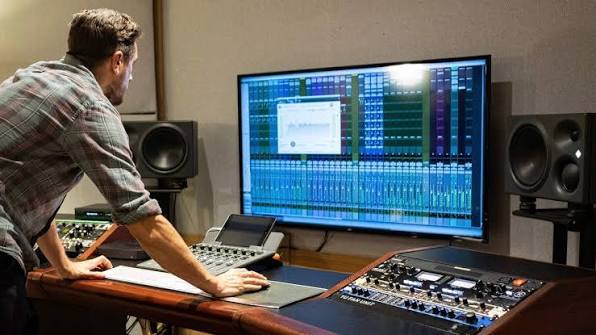
Mixing is one of the most important stages of music production. A well-mixed song allows every instrument to be heard clearly.
Beginner mixing tutorials should explain volume balancing, equalization, compression, panning, reverb, delay, and automation. Understanding these tools helps create professional-sounding mixes that translate well across different listening devices.
Practice mixing regularly while comparing your work to professionally released songs.
Understand the Basics of Mastering
Mastering prepares a finished mix for streaming services, downloads, CDs, and radio.
Tutorials should explain loudness, limiting, stereo enhancement, tonal balance, and final quality control. While mastering is an advanced subject, learning the basics will help you prepare songs for public release.
Many beginners begin with simple mastering plugins before studying professional mastering workflows.
Improve Your Workflow
Efficient producers complete more music because they spend less time searching for files and adjusting unnecessary settings.
Workflow tutorials should teach project organization, sample management, keyboard shortcuts, template creation, and file backups.
Developing good habits early saves time and keeps your creative process smooth.
Analyze Professional Songs
One of the fastest ways to improve is by studying professionally produced music.
Choose songs in your favorite genre and analyze their arrangement, drum patterns, melodies, basslines, effects, transitions, and mixing decisions. Try recreating sections of these songs inside your DAW to understand how experienced producers build professional tracks.
This exercise develops both technical skills and creative thinking.
Practice Consistently
Watching tutorials alone will not make you a better producer. Improvement comes from applying what you learn through regular practice.
Set realistic goals and complete small projects instead of waiting for perfection. Every finished song teaches valuable lessons about composition, sound design, recording, and mixing.
The more music you create, the faster your skills will grow.
Conclusion
Every successful music producer began by learning the fundamentals. By studying tutorials on music theory, DAW operation, drum programming, melody writing, sound design, recording, mixing, mastering, and workflow management, you can build a strong foundation for long-term success.
Stay patient throughout the learning process and continue practicing consistently. Every project you complete brings you one step closer to becoming a confident and skilled music producer. With dedication, creativity, and the right educational resources, you can develop your own unique sound and achieve your music production goals.