Introduction
Music production is one of the most exciting creative skills you can learn today. Thanks to modern technology, creating music no longer requires access to an expensive recording studio or professional equipment. With a computer, the right software, and a willingness to learn, anyone can produce high-quality music from home. Whether you want to create pop, hip-hop, EDM, rock, or cinematic soundtracks, understanding the basics of music production will help you turn your ideas into finished songs.
As a beginner, you may feel overwhelmed by the number of tools, plugins, and production techniques available. The good news is that you do not need to learn everything at once. By following a step-by-step approach and practicing regularly, you can build your skills and create your first track with confidence.
Understand the Music Production Process
Music production is the complete process of creating a song from an idea to a finished recording. It includes songwriting, arranging, recording, editing, mixing, and mastering. Every stage plays an important role in shaping the final sound of your music.
Successful producers combine creativity with technical knowledge. They understand how different instruments work together, how to create balance in a mix, and how to make music sound clear and professional.
Choose the Right Digital Audio Workstation
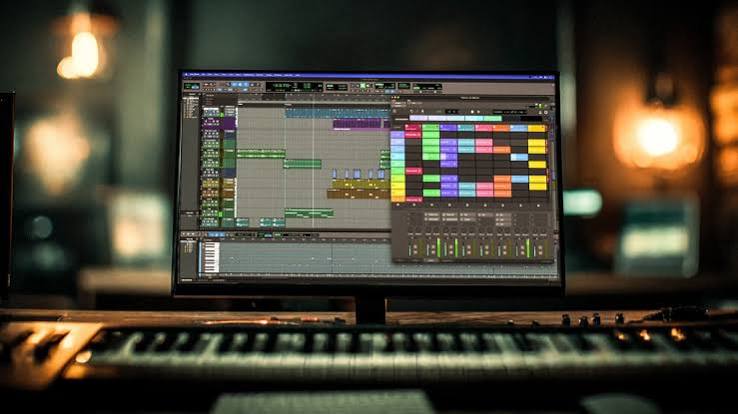
A Digital Audio Workstation, often called a DAW, is the software where you will create your music. Every melody, drum beat, vocal recording, and sound effect is produced inside this program.
Popular DAWs include FL Studio, Ableton Live, Logic Pro, Cubase, Studio One, Reaper, and GarageBand. Each one offers powerful features, so there is no single best choice. Select the DAW that fits your budget, operating system, and learning style. Most of them offer free trial versions, allowing you to explore their features before making a purchase.
Build a Simple Home Studio
You do not need expensive equipment to begin producing music. A basic home studio is enough for most beginners.
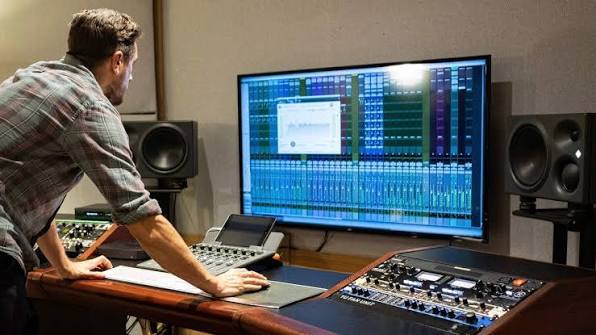
Start with a reliable computer that can run your chosen DAW smoothly. Use a pair of quality headphones so you can hear details clearly while mixing. If you plan to record vocals or instruments, invest in a USB microphone or an audio interface with a condenser microphone. A MIDI keyboard is also useful for playing melodies and chords, although it is optional.
Focus on learning your equipment before upgrading to more advanced gear.
Learn Your DAW Before Producing Music
Many beginners make the mistake of jumping straight into production without understanding their software. Spend time learning the basic features of your DAW before creating your first song.
Become familiar with the arrangement window, mixer, piano roll, browser, and transport controls. Practice adding instruments, recording audio, editing clips, and saving projects. The more comfortable you become with your DAW, the faster your workflow will improve.
Create a Simple Drum Pattern
Every great song starts with a strong rhythm. Begin by creating a basic drum pattern using kick drums, snares, hi-hats, and percussion.
Keep your first rhythm simple. Place the kick drum on the main beats and the snare on the second and fourth beats. Add hi-hats between the kicks to create movement and energy.
A solid drum groove provides the foundation for every other instrument in your track.
Add a Bassline
After creating your drum beat, add a bassline that supports the rhythm. Bass connects the drums with the melody while giving the track depth and power.
Avoid making your bassline overly complicated. A few carefully chosen notes often sound stronger than long, complex patterns. Make sure the bass works well with your drum groove and chord progression.
Create Chords That Match the Mood
Chord progressions determine the emotional feeling of your song. Happy songs often use major chords, while emotional or dramatic songs commonly use minor chords.
Experiment with different chord combinations until you find one that fits your musical style. Most DAWs include virtual piano instruments that make it easy to test different progressions.
Once you create a progression you enjoy, use it as the foundation for the rest of your track.
Write a Catchy Melody
The melody is usually the part listeners remember most. A strong melody should be simple, memorable, and fit naturally with the chords and bass.
Start by creating a short musical phrase. Repeat it while making small variations to keep the song interesting. Avoid adding too many notes, as simplicity often creates stronger melodies.
Listen carefully to how your melody interacts with the rest of your arrangement.
Arrange Your Song
Once you have created your musical ideas, organize them into a complete song. Most tracks follow a structure that includes an introduction, verse, chorus, bridge, and outro.
Each section should have a clear purpose. The introduction prepares the listener, the verse tells the story, and the chorus delivers the most memorable part of the song.
Rather than creating entirely new ideas for every section, reuse your strongest musical elements while making small changes to maintain interest.
Add Virtual Instruments
Modern music production software includes thousands of virtual instruments. These include pianos, guitars, strings, synthesizers, brass, orchestral sounds, and much more.
Choose instruments that complement one another instead of filling your project with unnecessary sounds. Every instrument should contribute something meaningful to the arrangement.
Keeping your production clean will make mixing much easier later.
Record and Edit Vocals
If your song includes vocals, record them in a quiet room with as little background noise as possible.
Position the microphone correctly and record several takes so you have multiple options during editing. Remove unwanted noise, adjust timing when necessary, and ensure the vocals blend naturally with the instrumental track.
A clean vocal recording can significantly improve the overall quality of your song.
Mix Your Track
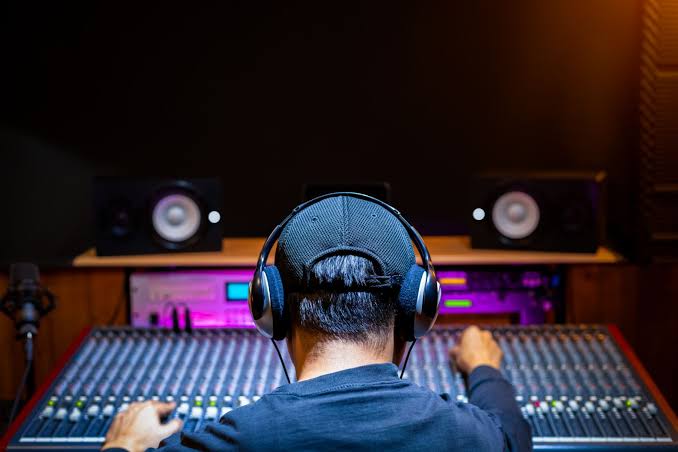
Mixing is the process of balancing every instrument so that nothing sounds too loud or too quiet.
Adjust the volume of each track carefully. Use equalization to remove unwanted frequencies, compression to control dynamics, and reverb or delay to create depth and space. Avoid adding too many effects because excessive processing can make your mix sound muddy.
Compare your mix with professionally produced songs in the same genre to identify areas for improvement.
Master Your Song
Mastering is the final stage of music production. It prepares your track for streaming platforms, downloads, and other forms of distribution.
The mastering process improves overall loudness, clarity, and tonal balance while ensuring your song sounds consistent across headphones, speakers, smartphones, and car audio systems.
Although mastering is an advanced skill, many beginners start by using built-in mastering tools before learning more detailed techniques.
Common Mistakes Beginners Should Avoid
Many new producers slow their progress by making the same mistakes repeatedly.
Trying to make every sound perfect before finishing the song often leads to unfinished projects. Using too many instruments can make a mix sound crowded, while excessive effects reduce clarity.
Instead of chasing perfection, focus on completing songs. Every finished project teaches valuable lessons and helps you improve much faster.
Keep Practicing and Stay Creative
Music production is a skill that improves through consistent practice. Study professional songs, recreate simple tracks, watch educational tutorials, and experiment with different genres to expand your knowledge.
Do not be discouraged by mistakes because every producer experiences them. Each new project builds your confidence and strengthens your understanding of songwriting, arrangement, mixing, and sound design.
Conclusion
Creating your first song may seem challenging, but every successful music producer started exactly where you are today. By choosing the right software, learning the basics of your DAW, creating simple drum patterns, writing memorable melodies, arranging your music carefully, and practicing consistently, you can produce tracks that sound professional.
Remember that progress comes from completing projects rather than striving for perfection. Keep learning, stay creative, and enjoy the process of making music. With dedication, patience, and regular practice, you will continue improving and developing your own unique sound as a music producer.